

Please disable your AdBlocker, it helps keep Avian Directory free for all bird lovers to use.
Register an account or Log in. Logged in members do not see adverts!
Thank You
Even the best-kept cages and aviaries can attract pests. This page covers common pest risks, how they appear, and why constant vigilance is important.
This page will not list any medications used to treat pests. Medications and treatments are discussed separately on the Illnesses page. I prefer to keep all medical treatments on a single page, so everything is easy to find when you need it.
Even if you have set up your cage or aviary perfectly, you should always remain on high alert for unwanted pests. Some pests can be seen with the naked eye, while others may go unnoticed without close inspection.
Pests come in many shapes and sizes and can be active both day and night, so regular checks are essential. Your birds, cages, and aviaries should be inspected frequently to catch any problems early.
The above list is not complete, but it does include the most common pests we know of. You may be surprised to see people listed, but people can be one of the biggest pests of all when keeping small birds — often without realising it.
How often have you seen someone go to a cage, put their fingers through the wires, or make that annoying “tut” noise at a bird? That “tut” sound is a warning call to finches and many other bird species.
I have often walked through woodlands and heard birds make this sound, followed by sudden silence. That silence means danger. If you have doubts, try making a fast “tut tut tut” sound near your birds and watch their reaction. Many common human behaviours can be highly stressful to birds, making people a pest without meaning to be.
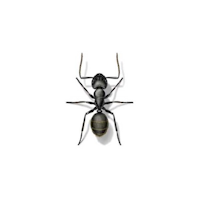
Ants can be surprisingly dangerous to birds, particularly to chicks and eggs. They may invade nests, consume eggs, attack chicks, and in some cases, even harass or harm adult birds while they are incubating. The speed and persistence of ants make them a serious threat, and I have seen the devastating effects they can have in photos shared by breeders online.
Ants are attracted to a variety of substances, including sweet foods, meat, and even bird droppings. Once they find a food source, they can quickly establish trails and recruit large numbers to overwhelm nests or feeding areas. In addition to the direct threat of predation, ants can introduce harmful bacteria or parasites, which may lead to secondary infections or illness in both adults and chicks.
Regular nest and aviary inspections are essential for early detection. Breeders should check nests daily during the breeding season, looking for trails, ants crawling on eggs or chicks, and any signs of distress in the birds. Young chicks may be especially vulnerable, as they cannot escape and are often defenseless against a determined ant invasion.
If an ant nest is nearby, it should be safely destroyed or the aviary/cage moved well away from it. Physical barriers, such as applying Tanglefoot or a similar sticky substance to cage legs or stands, can prevent ants from climbing into enclosures. Ensure there is no alternative route for ants to bypass these barriers, such as nearby branches or cables. Remember, ants are intelligent and persistent, so vigilance is key.
Preventative measures can also include keeping the aviary area clean and free of food debris. Avoid spilling seed or sweet foods on the ground, and remove fallen fruit or vegetables promptly. Consider placing food trays on raised platforms that are difficult for ants to reach, and keep water dishes separate from feeding areas to minimize attraction.
In addition to physical barriers, natural deterrents such as diatomaceous earth around the base of aviaries, citrus peels, or cinnamon sprinkled along likely ant trails can help keep ants at bay. Be cautious with chemical insecticides, as many are toxic to birds, and avoid placing them anywhere near cages, nests, or feeding areas.
Combining careful monitoring, hygiene, physical barriers, and natural deterrents creates a multi-layered defense against ants. Regularly inspecting both nests and surrounding areas ensures that any potential infestations are addressed quickly, helping to protect eggs, chicks, and adult birds from harm.
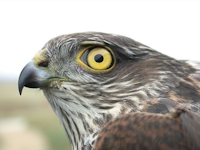
Birds themselves can sometimes pose a serious threat to finches, especially when other species are present in or near the aviary. Birds of prey, such as hawks or kestrels, can easily kill small finches, while even some smaller bird species may exhibit aggressive behaviors that can harm or stress your flock. It is essential to understand both direct and indirect threats from other birds.
Aggression may arise for many reasons. Territorial disputes are common, particularly during breeding season, and finches may defend nesting sites vigorously. Pecking order within a mixed-species aviary can also lead to conflict, with dominant birds harassing or injuring weaker individuals. Some finches will fight to the death over a mate or a desirable nesting site, so careful monitoring is necessary when introducing new birds.
Certain birds may appear gentle or harmless, but appearances can be deceiving. Even seemingly placid species can become aggressive if they feel threatened, overcrowded, or stressed. Birds may attack through pecking, chasing, or even inflicting injuries with their claws or beaks. Recognizing early warning signs such as raised feathers, loud vocalizations, or aggressive posturing is crucial for preventing injuries.
Prevention strategies include providing sufficient space and resources within the aviary. Ensure multiple feeding and watering stations, nesting boxes, and perches to reduce competition. Avoid overcrowding, as confined spaces can heighten stress and trigger aggressive encounters. Separate incompatible species or individuals if persistent conflict occurs.
Observing behavior regularly allows caretakers to intervene before serious harm occurs. Birds that repeatedly display aggression or are consistently targeted should be removed or housed in separate enclosures. For breeding pairs, consider individual breeding cages to protect both the adults and their chicks from attacks.
In outdoor aviaries, netting and protective covers can help deter predatory birds. Even small raptors may attempt to swoop in if the aviary is unprotected. Vigilance, careful species selection, and enclosure management are key to maintaining a safe environment for all birds.
Ultimately, understanding inter-bird dynamics and recognizing potential threats from both predators and conspecific aggression is essential. With proper monitoring, aviary design, and preventive measures, you can minimize risk and create a secure, low-stress environment for finches and other small birds.
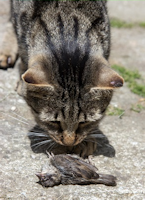
Cats are natural hunters and will almost certainly kill birds if given the opportunity. While some cats may ignore smaller animals, most will not. Their behaviour depends on age, feeding, and individual temperament.
Even cats that appear disinterested cannot be trusted around birds. Domestication has not removed their instinct to hunt and kill.
A single scratch or bite that breaks the skin can be fatal to a finch due to the bacteria carried by cats. Any such injury requires immediate veterinary treatment with strong antibiotics. Cats should never be allowed access to bird cages or aviaries.
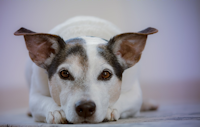
Not all dogs are interested in birds, but some are and will eat them if given the opportunity. Just like cats, dogs can also carry diseases that are harmful to birds if they break the bird’s skin. Even a dog that repeatedly barks at your birds or jumps up at the cage or aviary should be considered a pest, as this behaviour causes stress.
If you have a dog that genuinely ignores your birds and leaves them alone, it may be fine, but this is always at your own risk. I trust most dogs more than cats where birds are concerned, but I still keep an open mind. In my experience, small, yappy dogs tend to be the most problematic, as they are often overly curious and persistent.
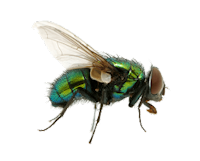
Flies carry many germs and diseases due to their lifestyle. They can lay eggs on chicks, adult birds, or even in food. While the eggs themselves are a concern, the larvae are the real danger, as some species can consume living tissue.
Certain flies lay eggs in the skin, where the maggots develop inside the bird, causing severe pain and eventually death. This is one of the main reasons cages and aviaries must always be kept clean. Remove old food at the end of each day, clean nesting boxes regularly, and avoid any build-up of droppings.
Droppings will eventually begin to smell, attracting flies, so be sure to clean beneath favourite roosting spots often.
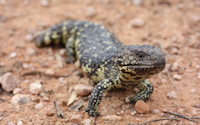
Lizards, if large enough, will seize the opportunity to eat birds, eggs, or chicks. Even if they cannot enter the cage or aviary, they may still be able to pull birds through the wire, much like rats, cats, birds of prey, mice, or snakes.
In some cases, a lizard may manage to get inside the enclosure, feed on the birds, and then be unable to escape because its stomach is too full. When you discover birds missing, the culprit may still be inside the cage or aviary.
Lice (louse) are a very common pest and are present almost everywhere. You may wonder what the difference is between lice and mites. Lice feed on dead tissue, skin, dust, and feathers, even on a living bird. Mites, on the other hand, feed on blood and have little or no interest in dead flesh or debris.
Lice are not species-specific and will eat the feathers of any bird. I have seen birds almost completely featherless due to lice infestations. Fortunately, lice are relatively easy to treat with the correct products.
Although small, lice can be seen with the naked eye by holding the bird up to a light source and gently extending the wings, then checking the underside. They can be found all over the body but are most easily seen beneath the wing feathers.
Feathers that appear fragmented or full of holes are usually a clear sign of feather lice. If there is an outbreak, all birds should be treated at the same time, as lice spread extremely quickly.
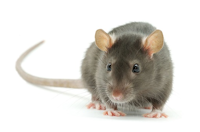
Mice and rats should be dealt with immediately from day one. They carry diseases that are deadly not only to birds but also to humans. If given the opportunity, they will eat birds, eggs, and chicks.
While they are often attracted to seed and other food, mice and rats will leave droppings and urine in food dishes as they feed. In the morning, birds naturally go straight to their food, which is where the danger begins.
Birds may peck at droppings, mistaking them for food, and can become seriously ill very quickly. Mice and rats are also meat eaters, consuming insects and other animals, so every effort should be made to eliminate them.
Drinkers should be scrubbed daily and refilled with fresh water. You never know whether mice, rats, or even mosquitoes have been drinking from or laying eggs in the water. Any living creature will seek out a water source, which is why fresh water should be provided every day.
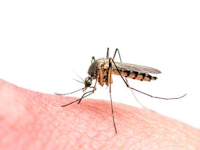
Mosquitoes are a serious threat to birds. They can bite birds and, shortly after, the bird may die. Mosquitoes carry a number of diseases and bacteria that are harmful to your birds. Any blood-sucking insect can cause anaemia, especially if the bird is repeatedly bitten or constantly attacked.
To reduce mosquitoes breeding, ensure any container that can collect rainwater—such as buckets, cups, or plant pots—is turned upside down. Even the smallest water collection can become a breeding ground. Mosquitoes are well known carriers of malaria and can spread it to other animals or humans. Keeping mosquitoes away from your birds is essential for their health.
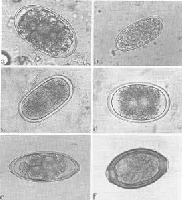
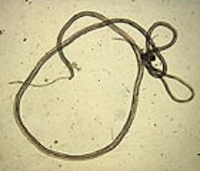
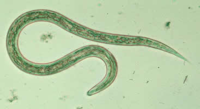
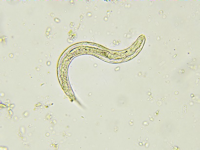
There are many types of parasitic worms, and most are harmful to birds. Observing these parasites under a microscope can be challenging, as they appear differently at various stages of development. Eggs can change in shape, colour, and texture as they develop, and you may encounter dead eggs or empty shells. Correct identification is essential because there is no single treatment that eradicates all parasites.
Some common parasitic worms include:
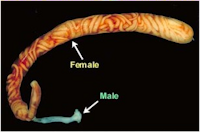
Some worms are harder to eliminate than others, and there is no universal treatment. Weight loss is often the first sign of parasitic worms. In the case of gapeworm, birds may show a noticeable gaping action as if something is stuck in their throat. The beak may remain open more often than usual, and the worms are typically reddish, hence the name “red worm.”
One of the biggest pests for birds can actually be people. Many bird owners are unaware of how stressful human presence can be, especially around outdoor or aviary-kept birds. Poking fingers into cages, making loud or sudden noises, or getting too close can all cause birds to become anxious or frightened. Most birds prefer to keep a safe distance from humans unless they have been hand-reared or socialized to regular human contact.
Hand-reared birds often prefer human company because they are accustomed to interaction from a young age. They can recognize familiar individuals and may approach willingly, but even hand-reared birds can become stressed if approached too abruptly or if strangers attempt to handle them. Birds rely on their instincts for safety, so respecting their comfort zone is essential for their mental and physical health.
Some human behaviors are particularly harmful. Smoking or vaping near birds exposes them to toxic chemicals, which can damage their respiratory system. Young children, though well-intentioned, may unknowingly disturb birds by shouting, running, or reaching into cages. Even minor stressors, if repeated over time, can lead to a weakened immune system, reduced appetite, feather plucking, or other health issues.
Observing birds from a respectful distance is usually sufficient. Birds have excellent vision and can clearly see people from several feet away. They do not need direct interaction to feel safe, and forced handling can lead to mistrust or fear. In my experience, hand-tame birds can distinguish familiar faces rather than clothing, approaching only those they trust. This highlights the importance of consistent and calm interactions.
Visitors should be briefed on appropriate behavior around aviaries. Avoid tapping on glass, banging on cages, or attempting to hand-feed birds without guidance. If multiple people are present, ensure that only one or two familiar individuals handle birds at a time, so as not to overwhelm them. Clear signage can also remind visitors to keep their distance and maintain quiet.
Environmental factors also play a role in human-induced stress. Ensure that cages and aviaries have shaded areas or hiding spots where birds can retreat if they feel threatened. Allowing birds to regulate their exposure to humans reduces chronic stress and promotes natural behaviors. For outdoor aviaries, consider strategic placement so visitors can observe without crowding or blocking flight paths.
For hand-tame birds, positive reinforcement is key. Let birds approach you rather than forcing contact. Speak softly, move slowly, and offer treats sparingly to encourage trust. Over time, birds learn to associate certain people with safety and comfort. Consistency in handling and visitor behavior strengthens these bonds, while unpredictable human actions can quickly undo progress.
Ultimately, understanding that birds perceive humans as potential threats, even when intentions are good, is crucial. By educating visitors, controlling environmental factors, and respecting the bird’s space, you can reduce stress, prevent behavioral problems, and support the overall health and wellbeing of your collection.

Protozoa (plural: protozoans) are single-celled organisms that feed on organic tissues and matter. These microorganisms can be deadly to finches, with some species capable of killing a bird within hours, while others may take weeks or months to cause severe illness. Fast diagnosis and prompt treatment are essential to improve the chances of recovery.
Protozoan infections can occur in many ways. Birds may become infected by ingesting faecal matter from other birds, drinking contaminated water, sharing feeding or drinking vessels, or consuming infected food. Beak-to-beak feeding, a natural behavior in some species, can also transmit protozoa. Outdoor aviaries or poorly sanitized cages increase the risk of exposure, especially if wild birds have access to the same food or water sources.
Prevention is critical. Always provide clean, fresh water and change it daily. Clean feeding and drinking containers thoroughly to remove any traces of faeces or debris. Remove uneaten or spoiled food promptly, and avoid overcrowding, which can increase the spread of infections. Isolating new birds for a quarantine period before introducing them to an established flock is highly recommended.
Visual indications of protozoan infection vary depending on the type of protozoa but may include fluffed or ruffled feathers, lethargy, reduced appetite, weight loss, drooping wings, or unusual droppings. Some protozoa affect the digestive tract, causing diarrhea or discoloration of the feces, while others may impact the respiratory system, leading to labored breathing or nasal discharge. Early recognition of these signs is vital.
Birds showing symptoms should be immediately isolated in a hospital cage to prevent spreading the infection to healthy individuals. Handling sick birds requires careful hygiene: wash hands thoroughly, disinfect equipment, and avoid contact with other birds until the infection is resolved. Prompt veterinary consultation is strongly advised to identify the exact type of protozoa.
Treatment involves specific medications targeted to the type of protozoa present. Not all antibiotics or anti-protozoal treatments are effective against every species, so correct diagnosis is crucial. Your veterinarian may perform fecal tests, blood tests, or microscopic examinations to determine the precise pathogen and prescribe the appropriate treatment. Supportive care, including hydration, nutritional support, and stress reduction, can improve recovery outcomes.
Regular monitoring of your flock, maintaining excellent hygiene, and providing a stress-free environment are the best long-term strategies to reduce protozoan infections. Quick action at the first signs of illness can prevent widespread outbreaks and ensure that your finches remain healthy and active.
Fumes and smoke are extremely dangerous to birds and are often underestimated because they are not always visible or detectable by smell. Birds have highly efficient respiratory systems that allow them to extract oxygen very quickly, but this also means toxins enter their bodies far faster than in mammals. Even brief exposure to harmful fumes can cause serious respiratory distress or sudden death.
Common sources of toxic fumes include smoke from fires, cigarette smoke, vaping aerosols, vehicle exhaust, cleaning chemicals, aerosols, paints, and overheated non-stick cookware. Some fumes have no noticeable odour at all, making them particularly dangerous. Birds housed indoors or in enclosed aviaries are especially vulnerable, as fumes can build up rapidly with little ventilation.
If fumes or smoke are suspected, birds should be moved immediately to fresh air, away from the source. Preventative measures are essential: never smoke or vape near birds, avoid using aerosols or strong chemicals in their environment, and ensure good ventilation at all times. When it comes to fumes and smoke, prevention is the only reliable protection, as birds often show symptoms only when exposure has already become severe.

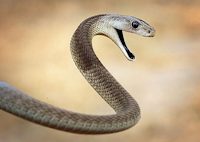
Snakes, like lizards, are carnivorous and can pose a serious threat to finches and other small birds. Some snakes are capable of squeezing through small gaps in cage wires to reach birds, and larger species can dislocate their jaws to swallow prey whole. They are particularly attracted to warmth at night and may explore aviaries near heat sources or roosting areas.
Snakes and lizards often hide in dark, sheltered areas. Common hiding spots include piles of straw, hay, leaves, garden debris, wooden pallets, unused cages, or even dense shrubbery near aviaries. Regularly inspect these areas and remove or tidy potential shelters to reduce the risk of predation.
Gaps or holes in aviary structures can provide easy access for snakes. Carefully check for gaps around doors, ventilation panels, wire mesh, and the base of cages. Small snakes can squeeze through surprisingly narrow openings, so even tiny holes should be sealed with fine mesh or weather-resistant materials. Pay attention to areas where the ground meets fencing or aviary walls, as snakes can crawl underneath if not properly blocked.
Preventative measures include elevating aviaries slightly off the ground, using solid baseboards, and installing small-hole netting or hardware cloth around the perimeter. Cover any openings in wire mesh with fine mesh that snakes cannot penetrate. In areas where snakes are common, it may also help to create a clear zone around the aviary, free from dense vegetation or clutter, to limit hiding spots.
Natural deterrents can be effective in some situations. Planting certain species like marigolds or garlic around the aviary may discourage snakes, and some bird keepers use non-toxic repellents that contain naphthalene or essential oils. Be cautious with chemicals, as many are unsafe for birds. Another option is using motion-activated lights or sprinklers, which can startle and deter nocturnal predators.
In addition to physical and natural deterrents, maintaining vigilance is key. Check aviaries regularly, particularly at night, for any signs of snakes or lizards. Look for shed skins, droppings, or unusual disturbances in nesting areas. Prompt removal of any intruders helps keep birds safe and prevents snakes from establishing a pattern around your aviary.
Finally, consider combining these measures with general predator awareness. Cats, rats, and other small carnivores can also threaten finches, so a well-secured aviary with proper netting, fencing, and monitoring will protect birds from a range of predators. Regular inspections, habitat management, and preventative measures together create a safe environment where your birds can thrive.
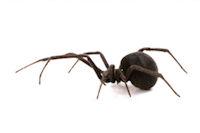
Many spiders are venomous and dangerous to birds, even if harmless to humans. Small birds are particularly vulnerable, as spiders can pass through cage wires and bite quickly. Regularly inspect cages and aviaries, removing spiders immediately.
Spiders can enter aviaries through tiny gaps, ventilation openings, or by hitching a ride on plants, perches, or nesting material. Even non-venomous spiders can cause stress to birds if they are seen crawling around frequently, as birds perceive them as potential threats.
In addition to bites, spider webs can accumulate dust, mold, and trapped insects, which can contaminate food and water sources. Webs should be removed daily from perches, corners, and nest boxes to prevent any buildup. Regular cleaning also helps reduce insect populations that spiders may feed on, breaking the pest chain.
Some larger species, such as huntsman spiders, are capable of killing small birds if they gain access. Birds may react with alarm calls or unusual behavior if a spider is present, so keeping a clean, well-inspected environment is essential for their well-being.
Preventative measures include sealing gaps, using fine mesh on vents, and inspecting all new plants or decorative items before placing them inside an aviary. If a spider infestation occurs, it is safest to remove the spiders manually rather than using chemicals, which could be toxic to birds.
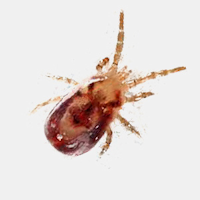
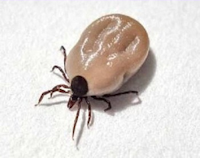
Ticks are blood-feeding parasites that can seriously harm birds. They thrive in long grass, leaf litter, or poorly maintained aviaries, and can be introduced on clothing, pets, or wild birds. Severe infestations can cause anaemia, transmit diseases, or even result in death from blood loss.
Birds most at risk are those with limited ability to preen, young chicks, or species with dense feathering that can hide ticks. Regular inspection of your birds is crucial, especially around the head, neck, vent, and under wings, where ticks often attach.
Diseases and Parasites Carried by Ticks: Ticks can transmit bacterial, viral, and protozoal diseases. Common issues in birds include:
Prevention: Keep aviaries clean and well-maintained. Trim grass and remove leaf litter regularly. Quarantine new birds for several weeks to monitor for ticks before introducing them to your flock. Consider using fine mesh to block entry points for wild birds and other animals that could carry ticks.
Safe Removal: If you find a tick on a bird, gently remove it using fine-tipped tweezers. Grasp the tick as close to the skin as possible and pull steadily without twisting. Avoid crushing the tick, as this can release pathogens. After removal, disinfect the bite area with a mild antiseptic suitable for birds.
Treatment: In cases of multiple infestations, your avian veterinarian may recommend safe topical treatments or sprays designed specifically for birds. Never use products intended for dogs or cats, as they can be toxic to birds. Monitor birds for signs of illness, lethargy, or decreased appetite, and seek veterinary care if needed.
Maintaining a clean, monitored environment and early detection are key. Regularly inspect perches, nesting boxes, and bedding for ticks, and remove any found immediately. Preventive measures combined with careful observation will minimize the risk of tick-related disease and stress in your birds.
Outdoor aviaries are particularly vulnerable to theft, making security a top priority for any bird keeper. Ensure all doors and windows are properly secured, and consider reinforcing them with locks, grills, or fine mesh that cannot be easily tampered with. Aviaries attached to a house should have all birds safely indoors at night, and any openings should be fully blocked until morning. Regularly inspect gates, latches, and fencing for signs of wear or attempted tampering.
Motion-activated security lights around the aviary can deter intruders, while security cameras provide both a warning and a means of monitoring. Night-vision cameras are especially effective for detecting activity after dark. If possible, set up a camera system that allows remote access, so you can check on your birds from anywhere. Combining physical barriers with electronic surveillance significantly reduces the risk of theft.
Even indoor birds are not completely safe. Keep details of your collection private, and avoid discussing rare or valuable birds online or on social media. Images of birds or aviaries posted publicly can give thieves important information about your setup. Limit access to your aviary to trusted individuals and supervise any visitors. Predictable routines should be avoided, as thieves may learn feeding times or entry patterns to exploit.
Leg banding alone is generally ineffective as a theft deterrent, since rings can easily be removed. Instead, maintain thorough records of each bird, including photographs, distinguishing features, and any microchip or tattoo identification. Keeping accurate records helps with recovery if a bird is stolen, and can be crucial for insurance claims or law enforcement reports.
Environmental precautions can also enhance security. Trim vegetation around aviaries that could provide cover for intruders, ensure fences are fully enclosed, and make use of roof covers to prevent access from above. Avoid placing aviaries in isolated or hidden areas that are difficult to monitor. Good visibility, both from the house and surrounding property, can act as a natural deterrent.
Joining local or online bird-keeping communities is another effective measure. Fellow bird keepers can provide security tips, alert you to local thefts, and even help in recovering lost birds. Establishing a neighborhood watch with other bird enthusiasts adds an extra layer of protection and awareness.
In the unfortunate event of a theft, have a plan in place. Report the incident immediately to the authorities, provide detailed descriptions of the birds, and share photos and microchip information. Alert local bird clubs or online networks that help recover stolen birds. Additionally, consider insuring valuable birds to mitigate financial loss.
By combining structural security, electronic monitoring, careful behavioral practices, thorough documentation, environmental management, and community involvement, bird keepers can greatly reduce the risk of theft. Vigilance and preparation are the best defenses, ensuring that both indoor and outdoor birds remain safe and well-protected.
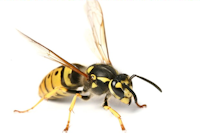
Wasps and hornets are pests to both birds and humans. Although stings to small birds are rare, even one or two stings can cause serious harm or death. Remove anything that attracts these insects and destroy nearby nests. If stinging insects are a problem, consider bringing birds indoors or covering the aviary with netting until the season ends.
These insects are attracted to food sources such as sugary drinks, ripe fruits, pet food, and even bird feed that spills outside the aviary. Keeping feeding areas clean and removing fallen fruit or spilled seed can significantly reduce their presence. Store bird food in sealed containers and avoid leaving any human food outside near the aviary.
Regular inspection of the aviary and surrounding area is important. Check for nests under eaves, in bushes, or around rooflines. If you find a nest, take appropriate action carefully: use protective clothing, and treat nests in the evening or early morning when insects are less active. In some cases, contacting a professional pest control service may be safest, especially for large hornet nests.
Protective netting or fine mesh can prevent wasps and hornets from entering the aviary while still allowing ventilation. Netting should be checked regularly for holes or gaps, as even a small opening can allow stinging insects to enter. Consider temporary covers during the peak season for these insects to protect more vulnerable birds.
Birds themselves can be stressed by the constant buzzing and presence of wasps or hornets. Stress can lead to reduced feeding, aggression, or weakened immunity, making them more susceptible to disease. Ensuring that the aviary is free from nests and insect attractants can improve overall bird health and comfort.
In addition to physical measures, natural deterrents may help. Some bird keepers use essential oils, vinegar traps, or wasp traps placed away from the aviary to divert insects. Avoid using insecticides inside the aviary, as these can be toxic to birds. Always prioritize safe, bird-friendly methods to manage pests.
Finally, educate yourself about the life cycle and behavior of local wasp and hornet species. Knowing when they are most active, where they build nests, and how they respond to disturbances can help you plan preventive measures more effectively. Seasonal vigilance, combined with proper aviary management, ensures that both birds and caretakers remain safe.
Many other pests exist beyond those listed here. Modern aviaries often use windows or Perspex instead of wire mesh and incorporate filtered ventilation. These designs block most pests while allowing daylight and fresh air. The downside is limited natural UV exposure, which must be supplemented with UV lighting.
Micro-pests such as protozoa and mites may still enter, but a good filtration system and a well-sealed aviary can block most. Always consider pests when building and locating cages or aviaries. While smoke and fumes were previously listed under toxins, they are still pests if harmful to your birds.