

Please disable your AdBlocker, it helps keep Avian Directory free for all bird lovers to use.
Register an account or Log in. Logged in members do not see adverts!
Thank You
Introducing new birds into an aviary carries risks as well as rewards. Even healthy-looking birds can carry parasites, bacteria, or stress-related illnesses that may spread quickly through an established flock if proper precautions are not taken.
Bringing new stock into your collection should never be rushed. Birds experience stress during transport, relocation, and changes in environment, which can weaken their immune system and allow hidden health issues to surface. Without proper management, a single new bird can introduce disease or parasites to an otherwise healthy aviary.
Quarantine is one of the most important steps when introducing new birds. Isolating new arrivals allows you to observe their behavior, appetite, droppings, and overall condition before they come into contact with your existing birds. This observation period helps prevent the spread of illness and gives new birds time to settle and recover from stress.
This page explains best practices for handling new stock, including quarantine procedures, health checks, gradual introduction, and common mistakes to avoid. Taking the time to introduce new birds correctly protects both your existing flock and the long-term wellbeing of the new arrivals.
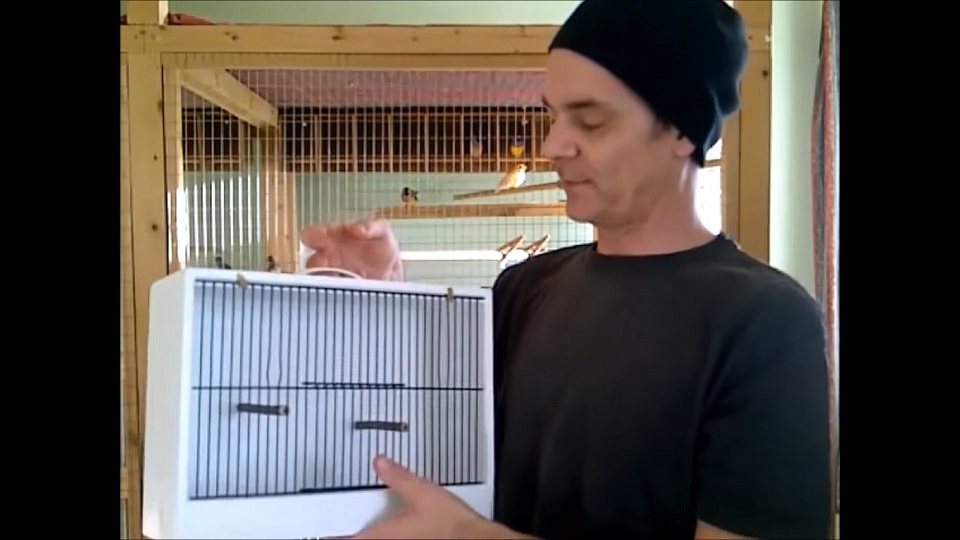
When you keep finches long enough, you will learn many lessons. You will probably learn some of them very quickly — especially when it is your first bird, which is always an exciting moment. Over time, as your flock grows and you continue to bring home new birds, you may also learn just how disastrous it can be if you fail to make careful observations before purchasing them.
For a beginner or novice finch keeper, buying new birds can seem like a simple process. You visit a pet shop, breeder, or bird table-top sale, see a bird you like, buy it, and take it home. Once home, many people place the bird straight into a cage or aviary with their existing birds. Right? Well, I have news for you — it is far from that simple, whether you are new to finch keeping or an experienced professional.
For me, there are several vital steps involved in buying birds, and I follow them meticulously. Below are the steps I always take, and they have never failed me.
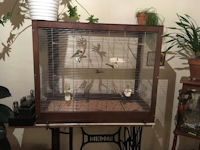
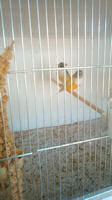
My personal examinations of any bird I buy or bring home are extremely detailed. I start with the feathers. Feathers are like charts — they hold a great deal of information since the bird’s last moult.
I gently move the feathers aside on the abdomen and closely observe the entire area, looking for black spots, yellow masses, a raised liver, changes in skin colour or tone, the overall shape of the belly, signs of weight loss or weight gain, and any indication of fluid in the abdominal area.
I also smell the bird — yes, smell it — because some diseases can be detected by scent, and it can also reveal whether the bird has been kept in an environment where people smoke.
I then check the eyes, beak (including inside the beak), around the head, the vent area, under the wings, the feet, the legs, and finally the bird’s posture when standing on a perch.
Once the bird is home, I take faecal samples and a crop sample and examine them under a microscope to look for parasites and other unseen problems. You would be surprised what can be discovered this way. As a result, I am rarely fooled by anyone selling poor-quality birds.
It may seem like a lot to remember, but over time these checks become second nature. An honest breeder or seller will often offer a refund if a bird dies within a week or two — but sadly, many will not.
If a seller or bird passes all my checks, I am highly likely to buy. If not, I keep my money and look elsewhere. These checks are not overkill. Any bird brought home without proper examination could be a ticking time bomb, potentially carrying viral, bacterial, fungal, or yeast infections, or even undesirable genetic traits.
I want birds that are healthy, active, well-feathered, free from deformities, correctly weighted, raised in a clean environment, and unlikely to introduce anything harmful to my existing flock.
Once purchased, the bird is placed into a clean, secure carry cage with fresh water and sufficient seed for the journey home. The cage must be secured in the vehicle so it cannot roll or bounce, keeping stress to an absolute minimum.
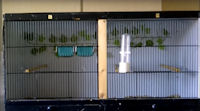
When you arrive home, the work is far from over. A separate medium or large cage should already be prepared for quarantine. All new birds should be quarantined for a minimum of 40 days.
This quarantine cage should be placed as far away from your main flock as possible, ideally in a separate room. This allows time for underlying illnesses to surface and ensures any treatment can be carried out safely without risking your established birds.
Even with thorough checks at purchase, some illnesses may be in very early stages and impossible to detect immediately.
I personally keep a hospital cage set up and ready at all times. This is an environmentally controlled enclosure that allows regulation of light, heat, humidity, and airflow. A simple makeshift hospital cage can be assembled quickly if needed.
If a bird shows signs of illness, it should be moved to the hospital cage immediately. Either consult an avian veterinarian for diagnosis and treatment, or if you are experienced, examine and treat the bird appropriately.
After the 40-day quarantine period, many keepers are eager to introduce new birds to their flock. I prefer to take an extra step by placing the quarantine cage beside the aviary for an additional day so the birds can see one another without physical contact.
This allows them to become familiar with each other while preventing pecking or aggression.
Once introduced, ensure the aviary is not overcrowded and monitor closely for bullying. What appears to be aggression at first is often just the establishment of a pecking order and usually settles within a week.
In my experience, female Gouldian finches tend to be more aggressive than males, but in a spacious aviary this behaviour usually subsides quickly.
When acquiring birds — whether purchased or rescued — avoid breeding birds with genetic deformities. If you take on a bird as a rescue, do not allow it to breed. Any eggs laid should be replaced with plastic eggs and the real eggs discarded.
The reproduction of poor genetics should be avoided at all costs, especially in Gouldian finches. While this may sound harsh, it ultimately benefits the species. Poor breeding practices have severely damaged the gene pool.
Pure-bred Gouldian finches, often referred to as “normals”, are far more valuable than most mutations, yet they have become extremely rare due to careless and irresponsible breeding.
Avoid breeding siblings, parent-to-offspring pairings, or line breeding, as this weakens the gene pool. Cross-breeding with other species should also be avoided. I leave experimentation to scientists — I am a keeper of these birds, not one.
These days, I rarely bring home new birds because few sellers meet my standards. I wish more Gouldian keepers upheld the same level of care, as it would result in healthier birds and more reliable breeding sources.
Finally, a word on pet shops. While many have a poor reputation, there are some that genuinely sell quality birds. Trusted shops usually have strong breeder connections and can provide full histories upon request.
Pet shops are businesses, not charities. Higher prices often reflect overhead costs and the risks involved in sourcing birds responsibly.
Unfortunately, many shops sell birds they know little about, overcrowd cages, mix incompatible species, and provide inadequate care. Poor hygiene, lack of food or water, and unhealthy birds are all too common.
I have personally seen dead birds left in cages and shop owners dismiss concerns. In such cases, I am willing to take formal action and report serious welfare breaches.
Avoid supporting sellers who treat birds purely as profit. Many birds sold under such conditions were trapped from the wild and should never have been taken.
If you find a bird-loving pet shop, ask questions, inspect conditions carefully, and request full histories. If standards are poor, remain calm, educate politely, and report issues to animal welfare authorities if necessary.