Please disable your AdBlocker, it helps keep Avian Directory free for all bird lovers to use.
Register an account or Log in. Logged in members do not see adverts!
Thank You
Discover the essential foods, supplements, and feeding practices for healthy Gouldian finches. This guide covers safe seeds, fresh greens, and nutritional extras to keep your birds thriving year-round.
One of the most important and overlooked subjects in keeping gouldian finches is their nutritional requirements. You cannot allow your gouldian finches to live on seed and water alone, it is simply not enough. Firstly, you need to understand that they come from a part of the world where Iodine is rich in the environment. They are a seed loving bird, but also require vegetation and lots of minerals as part of their diet to live a full, healthy life. Finches in other parts of the world have a slightly different diet, and would require little, or no Iodine in their diet. They may require much fewer minerals depending on the type of finch they are.
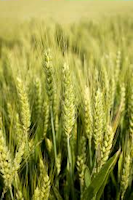
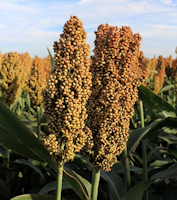
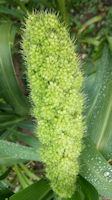
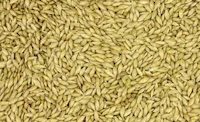
Gouldian finches would generally consume a good variety of millets (Figure 1,2 and 3.) and grass seeds (Figure 17.) in the wild and move on when food sources become scarce. They will often feed on newly growing buds, foliage, roots, flowers and on the occasion some insects. You may ask yourself: why are those birds pecking in the dirt, there is no food there? Well, you're right, there is no food, but there are minerals which they need.
Water is very important because the water they drink in the wild does not usually come from a tap, they drink water from water holes or rivers (creek or stream). This water is usually untreated and has a pH value far different from tap water. Most tap water has a pH value around 8.0 whereas rain water can be as low as 5.5 on the pH scale. The pH scale ranges from 0 to 14 where 1 is acidic and 14 being alkaline. Although some water may be considered dirty to us, to the birds it is filled with minerals, calcium and other nutritional needs. I always keep a small dish in each cage or aviary filled with a mixture of crushed oyster shells, grated cuttlebone, sterilized eggshells, crushed iodine block, perlite, carbon granules. This mixture is great for offering calcium and other minerals, as well as iodine whenever they want it.
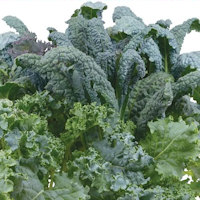
I have always given my gouldians a good variety of fresh greens to eat every day and increase/decrease the grass seeds to match the natural growing season in their natural environment (Queensland, Australia). Because I myself am in the Northern Hemisphere everything is out of season by 6 months, so when grass seeds are growing in the wild in Australia I will begin to increase the amount I give to my birds 6 months later.
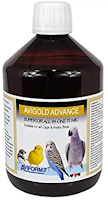
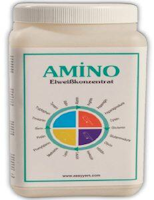
Because your gouldians will be unable to find all the nutrition they need from even the best diet you offer, you will need to supplement their drinking water periodically with a liquid vitamin solution (Figure 14.). Most of the liquid vitamins you buy for your birds will not be cheap, but it is a vital requirement for their health. If you're going to spend a lot of money on vitamins, you may as well spend the extra and get the best. £1 - £3 extra on vitamins is a lot cheaper than £60+ on vet bills, that's how I look at it.
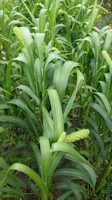
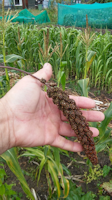
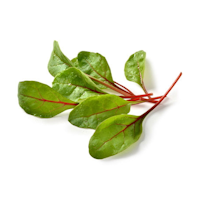
Never experiment on your birds, by this I mean never offer foods that you are unsure are safe for them. Birds are generally curious and will try anything once, but if you feed them something poisonous, then expect them to become sick or even die. NEVER offer avocado, chocolate or anything mouldy. Chewing on loose bits of tobacco will make them very sick too. Only offer foods that you know to be safe. Below is a list for safe foods and a list for unsafe foods, please take note and read it carefully.
When offering a mix of veggies/greens, try offering a good variety rather than a lot of a few items, meaning a little bit of a good variety of fresh greens rather than a large amount of one or two greens. A good variety is always best and gives your gouldians a better choice of food as well as getting more healthy vitamins/fibre in their diet. The list below is not a full list, so there are many other foods they can eat which is good for them, but also there are many more bad foods. Although your gouldians may munch away on some of your houseplants without it doing them any harm, most are actually very poisonous to them, so keep them away from any indoor plant to be safe. The best moto is, if you are not sure if it will harm them or not, then don't feed it to them.
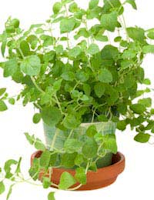
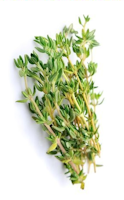
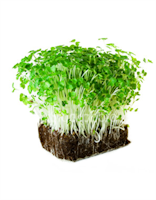
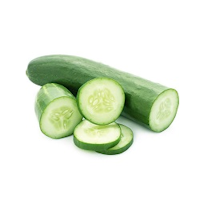
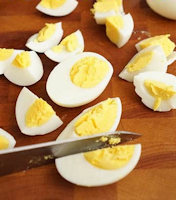
I'd like to point out that when gouldians are rearing chicks, their diet will often change to include more protein. I usually offer hard mashed boiled egg (Figure 16.) and slices of cucumber (Figure 12.) which they tend to devour, but never leave egg in the cage/aviary too long, especially in hot weather, or it will attract bacteria. Furthermore, I personally never offer insects because they don't really eat them, and they can cost a lot of money to see them go to waste. Some people argue that their gouldians love them, but in truth they are probably deprived of much-needed protein.
Gouldian finches are not really insect eaters and prefer a seed/vegetation diet. Where fruit is concerned, I have always found it a challenge to get them interested. Out of all the gouldians I have ever kept (And I have kept thousands) pretty much none of them have ever taken a fancy to any kind of fruit. They seem to like spicy or peppery foods as opposed to foods that are sweet, bitter or salty.
Sprouted or soaked seed is excellent for your birds and should be encouraged, especially during breeding season. Seed that has been germinated will contain far more nutrition than a seed that has not been germinated. Depending on the age of your seed will determine the speed in which your seed germinates. The preparation for germinating or sprouting seeds are below along with items you will need.
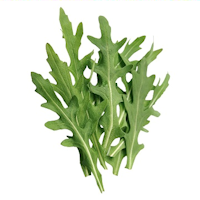
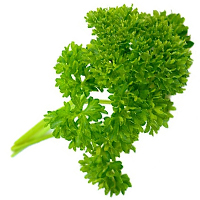
After one day you will have soaked seed and it can be used right away. After 2–3 days you will have sprouted seeds, but each day you still need to rinse the seed 3 times a day to keep it fresh, hydrated, and clean. You can make it in bulk if desired and freeze for later use. Simply use plastic storage containers big enough for one day portions and fill each one, store in the freezer and remove when needed. Empty the frozen seed into a sieve and rinse until unfrozen, then serve.
You can freeze soaked seed or sprouted seed, the choice is yours, it can last several months frozen. The only difference between soaked and sprouted seed is soaked seed is the stage before the root has had a chance to grow out of the seed. Sprouted seed seems to be enjoyed by gouldian finches, as they like to eat the newly sprouted shoots.
The topic of what to feed and what not to feed gouldians is a common question asked on social media, so I hope this section is of some help and answers some, if not most, of your questions.
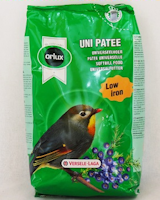
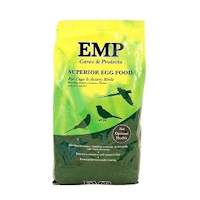
Soft foods and egg foods (Figure 10 and 11) are often offered as nutritional extras or as a treat. I always offer Egg Food when my gouldians are breeding and hydrate it slightly until it is soft. The brand matters because some lower-end brands will contain cheaper products or fewer ingredients, whereas the better brand will use only the best with a good variety of ingredients. Figure 10 is a brand made by Versele-Laga, Orlux Uni Pate. It is a soft food containing a good variety of berries, insects, and some other goodies which all serve as a good source of nutrition. I offer this to my birds every day and replace it with a fresh batch when it becomes dry or hard.
The Egg Food is usually only offered when they are rearing chicks or sometimes as a treat. It is best slightly hydrated with hot water and allowed to cool before being offered to your birds. They tend not to eat very much of it but will enjoy a peck at it. I often mix about 30% Cuscus to the mixture because they seem to like it, and it is also added nutrition for them.
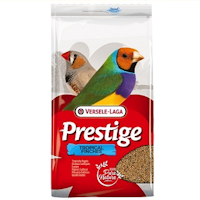
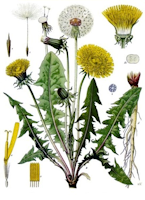
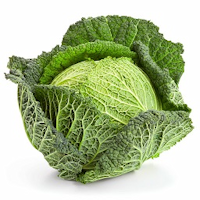
Believe it or not, salt is another requirement for gouldian finches, and they can be supplemented by offering salt blocks which can be bought from some local pet shops. Salt has many benefits for birds, as it helps keep them hydrated by helping the body to retain water. We all need salt one way or the other, but birds that live in remote areas benefit from the salt, especially if water is scarce. Much of the time when you see birds pecking around in the dirt, they are often looking for salt.
There are various kinds of salts, including synthetic salts, but synthetic salts are not what the birds are looking for, and they should not consume it anyway. Rock salts and sea salts are common, as well as other salty minerals, but in large quantities over a long period of time it would eventually damage their liver. I have discovered why my gouldian finches demolish their cuttle bones when I grate them down for them — it’s not only the calcium they are after but the salt, because cuttlefish contains sea salt from the ocean where they lived and died. Taste a bit and see for yourself!
Calcium is needed by almost all living things, including the gouldian finch, and is plentiful over almost the whole planet. It plays an important part in their lives, and without it, they simply cannot exist. Birds use calcium for feather growth, egg production, and for their bones mostly. If your gouldian finch is lacking in calcium, you may notice they rarely stand up straight and are often found sitting with their breast resting on their feet, freshly laid eggs may be soft or without shells, hens struggle to lay eggs due to depleted calcium levels, bones break easily, feathers break easily, or baldness may occur.
Hens usually suffer from depleted calcium more than males because of the calcium needed for producing eggs, but both genders require it all the time. They should be supplemented with a liquid calcium in their drinking water at least 2 times per week, and maybe more frequently just before and right after breeding season to replace the calcium used during their breeding season.
Gouldian finches are not insect eaters. They have no interest in consuming insects, so forget trying to force-feed them mealworms, maggots, or other insects. They may eat one or two out of curiosity, but their diet is strictly seed, grasses, millets, and foliage. I have kept thousands of gouldian finches over the years and not a single one was ever interested in eating insects. When they were offered insects in their food dish, they would consume everything and leave all the insects. Give the insects to the garden birds — they'll love 'em.